
Bring the Mediterranean to your Plate
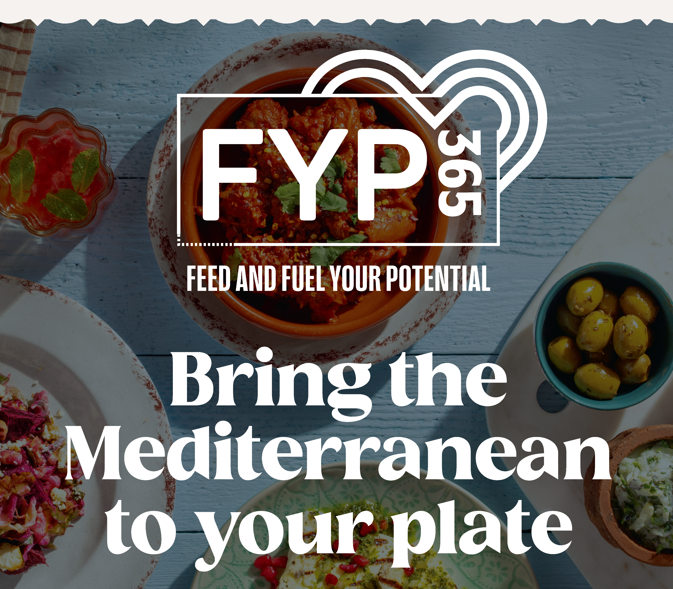
The Mediterranean is an ideal location for holidays due to its white sandy beaches, crystal blue water and endless days of sunshine. But did you know it’s actually the diet that is one of the most interesting aspects? The Mediterranean diet is one of the most studied and well-known dietary patterns due to its many benefits. It emphasises a variety of fruits, vegetables, whole grains, beans and legumes, healthy fats which include fish, nuts and olive oil with moderate amounts of animal proteins i.e. eggs, dairy, poultry, and limited intakes of red meat.
The Mediterranean diet constitutes the eating patterns and coastal cuisines of 16 countries that border the Mediterranean Sea, including Greece, Spain, Italy, France and Turkey. This mix of cultures, combined with the unique climate of the area, lends itself to an almost infinite blend of culinary possibilities, all with an unforgettable taste (Irish Heart Foundation, 2026).
Benefits Galore:
Heart Health: One of the diet's standout benefits is its positive impact on cardiovascular health. Rich in monounsaturated fats from sources like olive oil and nuts, the Mediterranean diet has been linked to reduced risk factors for heart disease, such as lower cholesterol levels and improved blood pressure. Research has shown that a Mediterranean eating pattern rich in healthy fats (mono and polyunsaturated fats from the fish, nuts and oils) and lower in saturated fat and cholesterol provides protection against heart attack and stroke (Irish Heart Foundation, 2026).
Weight Management: Despite its focus on hearty portions, the Mediterranean diet's emphasis on whole foods and balanced meals aids in weight management. The high fibre content from fruits, vegetables, and whole grains helps you feel full and satisfied, curbing overeating (Irish Heart Foundation, 2026).
Brain Boost: Research suggests that the Mediterranean diet may contribute to cognitive well-being. The combination of antioxidants from colourful fruits and vegetables, along with omega-3 fatty acids from sources like fish, has been associated with a lower risk of cognitive decline (Fekete et al., 2025).
Diabetes Prevention: With its low glycaemic index and emphasis on whole, nutrient-dense foods, the Mediterranean diet can assist in maintaining stable blood sugar levels and reducing the risk of type 2 diabetes. It has also been associated with improved mental health and reduced risk for cancer and other chronic disease (Irish Heart Foundation, 20261).
6 Ways to Embrace the Mediterranean Diet:
Plant-Powered: Make vegetables the star of your plate. Enjoy a variety of colourful veggies in salads, stews, and roasted dishes. Opt for whole fruits as snacks and dessert alternatives. Load up on fresh, in-season produce where possible. It’s often less expensive, tastier, and encourages variety throughout the seasons.
Kick up the spice: Seasoning with spices and herbs (i.e. basil, oregano, mint or dill) can add flavour to your dishes allowing you to reduce or completely swap out salt.
Try out new proteins: Beans and legumes (i.e. lentils, chickpeas, butter beans, broad beans, green beans and peas) are good plant-based sources of protein. Try replacing meat a few times a week with fish or vegetable proteins.
Opt for healthy fats: Nuts and seeds (i.e. walnuts, almonds, cashews, flax and sunflower seeds), olive oil, and oily fish such as salmon, sardines and mackerel provide us with omega-3, heart healthy fats.
Fill up on whole grains: In the form of bread, pasta, rice, couscous, barley, buckwheat, bulgur, millet and oats, opt for the brown or wholegrain versions which help also help increase your fibre intakes.
Moderate Dairy: If you consume dairy, opt for Greek yogurt and small portions of cheese, which are commonly enjoyed in the Mediterranean region.
Shifting the way you eat can be intimidating at first, but starting with even one small change at a time can make a big difference. Don’t be afraid to try out a new Mediterranean inspired recipe. With its proven health benefits and tantalising array of flavours, adopting elements of this diet can be a rewarding journey towards improved well-being. To start off your journey – why not try our Mediterranean Beans with Couscous recipe. Mediterranean Beans with Couscous — Wellbeing In Focus.
Bibliography:
Published September 2026.