Importance of Breakfast
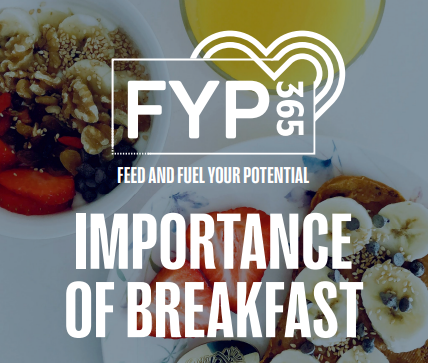
Many of us have heard the phrase ‘Breakfast is the most important meal of the day’. For some, the promise of food is enough to tempt them out of bed, while others can’t stomach the idea of eating before midday. So what should we be doing when it comes to breaking our overnight fast? Read further to find out.
Why breakfast matters?
1. Restores energy and essential nutrients
During sleep, your body continues to burn energy to fuel vital functions such as breathing, digestion, and tissue repair. Breakfast helps replenish glucose, which is the body and brain’s primary energy source, helping you to start the day alert and energised (Harvard Health, 2011).
2. Supports weight management
While research concludes that the inclusion of breakfast usually leads to a higher total daily energy intake – meaning more calories are consumed over the course of the day – than those who skip breakfast. Studies also suggest that the quality of the diet for the rest of the day can be improved following a balanced breakfast (Johns Hopkins Medicine, 2024).
3. Improves overall diet quality
People who consume breakfast tend to have a higher intake of nutrients such as fibre, vitamins, and minerals. In contrast, those who skip breakfast rarely make up these nutrients later in the day, which may impact overall dietary quality and long-term health (Deshmukh-Taskar et al., 2010).
Hydration:
The most important thing to do upon waking up, is to reach for a glass of water! After 6-8 hours without fluid, your body is in need of hydration. Lack of water in the diet can lead to fatigue, headaches, muscle stiffness, and even trigger hunger signals that are actually thirst signals in disguise (Suni, 2023).
Quality of breakfast is important:
Consumption of a balanced breakfast, containing high-fibre wholegrain carbohydrates and some protein, induces a more stable blood sugar response. It maintains energy and appetite satisfaction levels too while generally resulting in a healthier and more considered food intake across the rest of the day.
Not all breakfasts are created equal in terms of nutrition. The key words are healthy and balanced. A breakfast consisting of high-sugar cereals can cause blood sugar to rise and fall more dramatically, leading to mood swings, reduced focus, lethargy and a tendency to reach for more calorie-laden high-sugar and high-fat foods later throughout the day. These foods also provide very little satiety, meaning you’re likely to feel hungry again within an hour or two.
An easy way to build a nutritious breakfast is to follow the 1-2-3 approach:
Choose a wholegrain carbohydrate such as porridge oats, wholegrain toast, Weetabix, muesli or shredded wheat. Wholegrains are rich in fibre, helping to provide slow-release energy and keep you feeling fuller for longer.
Add a source of protein such as eggs, Greek yoghurt, milk, baked beans, tofu or fish. Protein supports growth and repair in the body and can help maintain fullness throughout the morning, reducing the temptation to snack before lunch.
Include a portion of fruit or vegetables to boost your intake of vitamins, minerals and fibre. Fresh berries, banana, spinach, tomatoes, mushrooms or other seasonal produce are all great options.
For example, try porridge topped with berries and Greek yoghurt, or wholegrain toast with eggs and grilled tomatoes. Small additions like these can make a big difference in supporting energy levels and helping you start the day well.
So, does it matter when I eat breakfast?
While you may find articles online that tell you *you have to eat within an hour of waking up*, there is no hard-and-fast rule about needing to eat your breakfast in a specific time window. Breakfast – breaking the overnight fast – is the first meal of the day, and for some this may mean a spoon in hand before the eyes open, while others may find they are more comfortable eating within two hours of rising. The most important thing to consider is that your first meal is balanced and nourishing.
References:
Healthy Breakfasts | Johns Hopkins Medicine
Breaking the Fast - Harvard Health Publications - Harvard Health
