Managing Stress
Stress is a common theme in many people’s everyday lives, but many of us don’t fully understand what it is or how to manage it. The World Health Organisation has defined stress ‘as a state of worry or mental tension caused by a difficult situation’. It’s a natural reaction – our body’s way of preparing us to handle a challenge (WHO, 2023).
While a little bit of stress can push us to get things done, ongoing or overwhelming stress can impact our physical and mental wellbeing. Learning to recognise what causes you stress and knowing strategies on how to manage it can make a big difference.
What happens in the body during stress?
When we’re stressed our body releases adrenaline also known as the ‘fight or flight’ hormone. This can give us a quick boost of energy and focus to help us to react quickly to a threat or important task. Despite this, consistent release of stress into the body can becoming draining and sometimes damaging, rather than helpful (HSE, 2025).
Signs & Symptoms of stress:
Stress affects everyone in different ways but here are some common signs and symptoms to look out for.
Emotional signs:
Feeling worried, anxious, or scared
Struggling to make decisions or feeling overwhelmed
Irritability, anger, or quickly upset
Withdrawing from social situations or wanting isolation
Difficulty concentrating
Physical signs:
Feeling dizzy or faint
Stomach problems
Headaches
Skin reactions like hives or rashes
Changes in appetite – eating more or less
Raised blood pressure or heart rate (HSE, “Stress - Tips and Self-Help”, 2022).
How to manage stress:
Prioritise quality sleep: Quality sleep repairs and rejuvenates the body and helps reverse the effects of stress. It is recommended for adults to get between 7 to 9 hours of sleep every night, and young people between 8 to 10 hours. Aim to avoid screens 1-2 hours before sleeping due to the disruptive effects of blue light on your sleep schedule. Alternatively, you can install ‘night mode’ on your mobile which filters out the blue light. Try to have a ‘wind down’ routine instead that calms you before bedtime such as reading a book or having a cup of herbal tea (HSE, “Sleep Problems - Tips and Self-Help”, 2022).
Eat a healthy & balanced diet: Healthy eating supports both your physical and mental wellbeing. Aim to include plenty of fruit and vegetables in the diet as well as foods high in fibre. Click here to find our national healthy eating guidelines published by Department of Health.
Identify your stress triggers: Take the time to notice what causes you stress. Is it short-term (like a work deadline) or is it long-term (like ongoing financial worries)? Once you identify the type, create a plan such as breaking down work tasks into weekly goals.
Practice mindfulness or meditation: Mindfulness teaches you to stay present and grounded, helping you avoid becoming overwhelmed by everything happening around you. Over time, it can help you respond more calmly to sudden surges of stress.
Stay physically active: aim for at least 30 minutes of physical activity each day. Exercise helps burn off anxious energy, reduce stress hormones, and boosts mood-enhancing chemicals like endorphins (HSE, “Stress - Tips and Self-Help”, 2022).
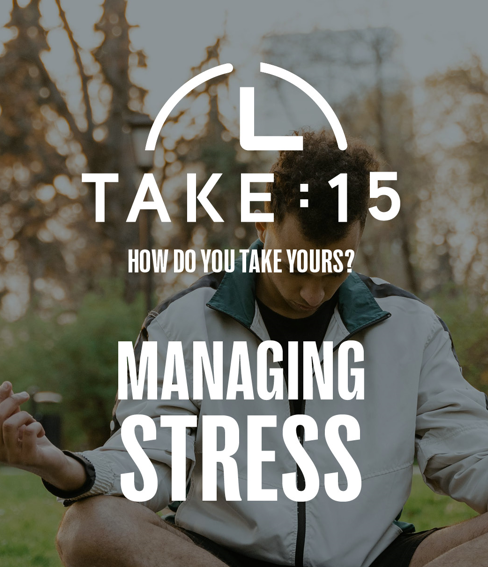
Even a simple ‘Take 15’: Stepping away for 15 minutes – whether for a walk, cup of tea, or quiet breathing, can help reset your mind. You’ll return to your tasks feeling more refreshed and clear-headed.
Common causes of stress:
Stress isn’t always caused by something dramatic it can build up slowly overtime from common everyday experiences.
- Family or relationship challenges
- Financial stresses
- Job instability
- Pressure at work, school, or college
- Major life changes like moving house, bereavement, pregnancy/ becoming a parent
- Health problems – your own or someone else’s
- Feeling lonely or unsupported (HSE, 2025)
If symptoms persist for an extended period of time, it is best to seek help through your GP.
For more information on mental health see links below:
Mental health Ireland
Email: Info@mentalhealthireland.ie
Contact number: 01 284 1166
Samaritans Ireland
Email: adminireland@samaritans.org
Contact number: 116 123
‘Text About It’ is a free 24/7 service providing everything from a calming chat to immediate support for your mental health and emotional wellbeing.
Free text ‘HELLO’ to 50808 for an anonymous chat with a trained volunteer, any time.
